All stories
CWI publishes on a regular basis news item about our research, education and the social impact of this research. In addition to news items, we publish more extensive stories about high-profile research or about CWI tackling social issues.
Visiting Professor Nava Tintarev on explainable AI, bias and building research ties
The CWI Visiting Programme is designed to give researchers things that are precious in academic life: time, space, and new scientific encounters. In May, Professor of Explainable AI Nava Tintarev came to …
Empowering the Creative and cultural sector with an open source platform for AI and XR Tools
Over the past three years, the DIS group from CWI has developed an ecosystem of digital tools for immersive experiences of the future for entertainment, art, and news. Within the EU-funded TRANSMIXR …
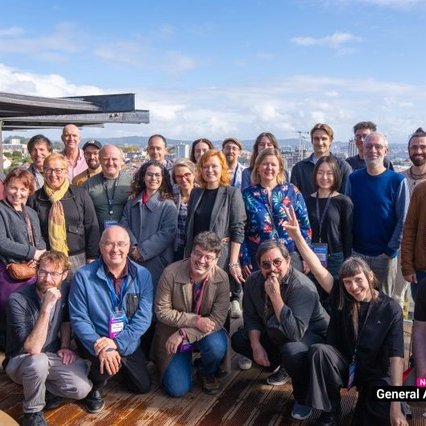
Trailblazer bringing structure
Lynda Hardman, Principal Research and Strategist at CWI and Professor of Multimedia Discourse Interaction at Utrecht University, recently received the IPN Distinguished Service Award. Besides being a decades-long frontrunner in unlocking new …
Improving mental health in a virtual world
How can eXtended Reality (XR) be used to improve people’s mental health and wellbeing? This question was one of the topics explored during the Spring School on Social XR, organized by CWI’s …
When the virtual world becomes real
When online encounters start to feel physical, safety and trust become more urgent. How can we make sure virtual worlds remain safe for everyone? This question was one of the topics explored …
Tailoring an algorithm to real-world needs
Determining the right radiation dose in cancer treatment, or drawing up a railway timetable: algorithms can help solve optimization problems of this kind. But how do you refine those algorithms so that …

Portrait of Sanne Vrijenhoek, tenure tracker in the Human-Centered Data Analytics group
Translating societal issues back into technology: that is Sanne Vrijenhoek’s core business. Her work focuses on artificial intelligence (AI). At CWI’s HCDA group, she studies systems that recommend news articles — the …
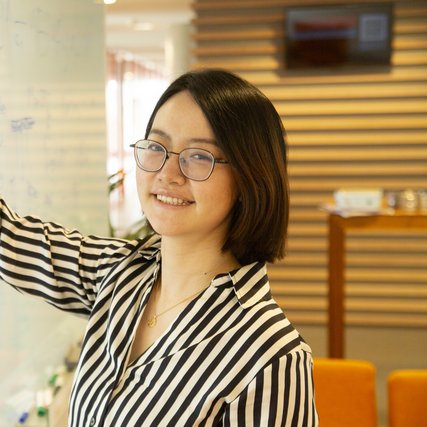
Portrait of Effy Li, postdoc in the Database Architectures group
Effy Li’s route into research has been anything but straightforward. From studying Electronic Engineering in China to working on data management at CWI, her journey has taken her across countries and disciplines. …