- In addition to news items, we also publish more extensive stories about high-profile research or about CWI contributing to tackling social issues.
- Questions about our research or our institute? Media can contact our Communication department.
- Our CWI in the media page features a selection of CWI appearances in prominent media channels, both national and international.
News
News about CWI research, education and the social impact of this research.
Share this page
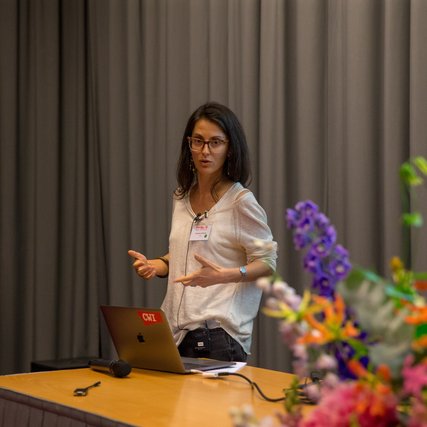
Veni grant for Daniël Pelt
The Netherlands Organisation for Scientific Research (NWO) has awarded a Veni grant to CWI researcher Daniël Pelt.
Read more

Machine Learning Techniques for Space Weather book published
Recently, the book 'Machine Learning Techniques for Space Weather', edited by CWI researcher Enrico Camporeale and others, was published by Elsevier. The book provides “a thorough and accessible presentation of machine learning …
Read more
Technology grant awarded to optimize plasma-assisted combustion
Incomplete combustion in engines and central heating systems can generate toxic exhaust gases. An electric discharge or plasma can preprocess the mixture of air and fuel, which could largely improve the combustion …
Read more

Jie Li awarded with Best Paper Award at ACM TVX 2018
On 27 June, Jie Li of CWI’s Distributed and Interactive Systems (DIS) group has been awarded with the Best Paper Award at ACM TVX 2018, the ACM International Conference on Interactive Experiences …
Read more
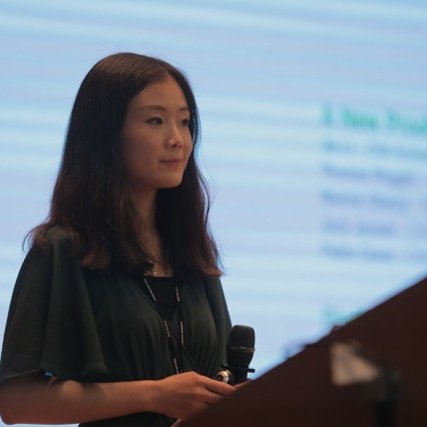
De betrokkenheid van groepen monitoren met fysiologische sensoren
Het proefschrift van CWI-promovendus Chen Wang van de Distributed and Interactive (DIS)-groep rapporteert over onderzoek naar het ontwerpen van een GSR-systeem dat het bewustzijn van acteurs bij een publiek op afstand in …
Read more

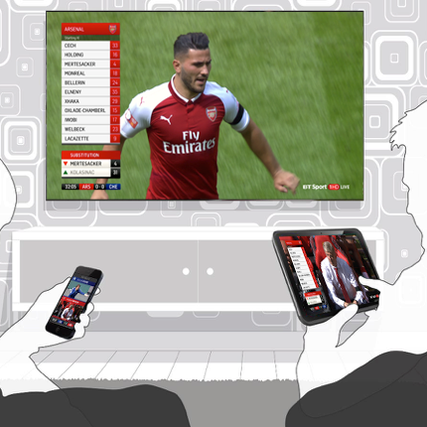
CWI contributes to trial new broadcasting system FA Cup Final at Wembley
H2020 EU-funded project 2-IMMERSE, of which CWI’s Distributed and Interactive Systems (DIS) group is a member, tested their prototype end-to-end live production system for object-based broadcasting at the FA- cup final at …
Read more
Mark Raasveldt wins Student Research Competition at SIGMOD 2018
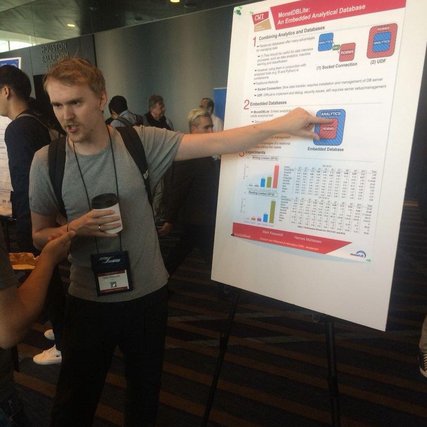
Mark Raasveldt, PhD student at CWI’s Database Architecture (DA) group, won the Student Research Competition at the SIGMOD 2018 conference for his work titled "MonetDBLite: An Embedded Analytical Database".
Read more
BEST PAPER AWARD FOR FRANCESCA DE SIMONE AT ACM MMSys 2018
On 14 June Francesca De Simone of CWI’s DIS group has been awarded with the Best Paper Award at the the ACM Multimedia Systems Conference (MMSys 2018).
Read more